

As a supplier of dispensing brush bottles, I've received tons of questions from customers about how to prevent the liquid inside these bottles from evaporating. It's a common headache, especially for those using nail polish, glue, or other liquid products in dispensing brush bottles. I'm here to share some practical tips based on my experience in the industry.
1. Choose the Right Bottle
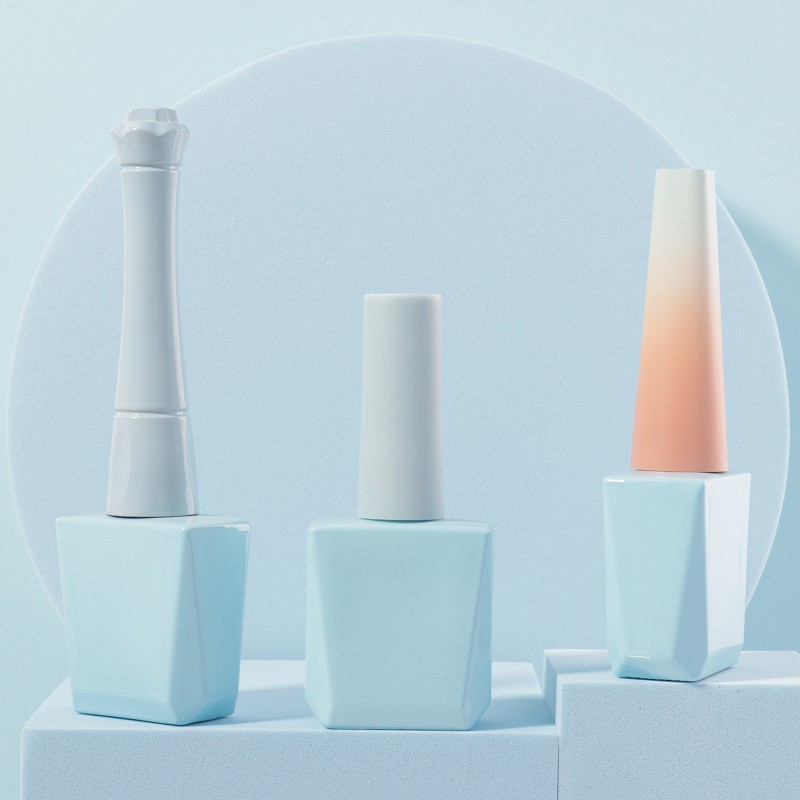
First things first, the type of bottle you use matters a great deal. At our company, we offer a variety of high - quality dispensing brush bottles, like the 11ml Nail Polish Glass Bottle with Brush. Glass is an excellent material for preventing evaporation. It's non - porous, which means it doesn't let air or moisture in or out easily.
Compared to plastic bottles, glass has better resistance to the chemicals in many liquids. Plastic can sometimes react with the liquid, causing it to break down or allowing small amounts of air to seep through. Also, a well - made glass bottle will have a tight - fitting cap. The cap is crucial because it forms a seal that keeps the liquid from escaping.
Another option is the 10ml Empty Nail Polish Bottles. These bottles are designed to minimize air space inside. When there's less air in the bottle, there's less chance for the liquid to evaporate into that air and then escape. You want to fill the bottle as much as possible to reduce the amount of empty space.
2. Seal the Bottle Properly
Once you've chosen the right bottle, sealing it correctly is key. Always make sure the cap is screwed on tightly. I've seen so many cases where customers complain about evaporation, but when I ask them to check the cap, it turns out it wasn't sealed properly.
Some bottles come with additional sealing features, like a rubber gasket or a foam insert in the cap. These extras create an even better seal. If your bottle has these features, make sure they're in good condition. If the gasket is damaged or the foam is worn out, it won't be able to keep the air out.
For bottles with a brush applicator, be careful when inserting the brush back into the bottle. Sometimes, if the brush is inserted at an angle, it can prevent the cap from sealing correctly. Make sure the brush goes straight in and the cap can sit flush on the bottle.
3. Store the Bottle in the Right Environment
The environment where you store the dispensing brush bottle can have a huge impact on evaporation. You should keep the bottle in a cool, dry place. Heat and humidity are the enemies of liquid in a bottle.
High temperatures cause the liquid to expand, which can increase the pressure inside the bottle and force the liquid to evaporate more quickly. A cool place, like a cabinet or a drawer away from direct sunlight, is ideal. For example, if you're storing nail polish, don't leave it on a windowsill where it can get hot during the day.
Humidity can also be a problem. Moisture in the air can get into the bottle and mix with the liquid, or it can affect the seal of the bottle. A dry environment helps to keep the liquid stable and reduces the chances of evaporation.
If you have a lot of dispensing brush bottles, you might consider using a storage container with a lid. This can help to create a micro - environment that's more controlled. You can even add a desiccant pack to the container to absorb any excess moisture.
4. Use a Preservation Agent
In some cases, adding a preservation agent to the liquid can help slow down evaporation. There are different types of preservation agents available, depending on the type of liquid.
For nail polish, there are special additives that can be mixed in. These additives can form a thin layer on the surface of the liquid, which acts as a barrier to evaporation. However, you need to be careful when using these agents. Make sure they're compatible with the liquid in your bottle. Using the wrong agent can cause the liquid to change its properties, like its color or consistency.
Before adding any preservation agent, do a small test. Mix a small amount of the agent with a sample of the liquid and see how it reacts. If there are no negative effects, you can add it to the main bottle.
5. Minimize Exposure to Air
Every time you open the bottle, you're exposing the liquid to air, which increases the chance of evaporation. Try to limit how often you open the bottle. When you do need to use the liquid, be quick about it.
For example, if you're using nail polish, have everything you need ready before you open the bottle. This way, you can apply the polish and close the bottle as soon as possible. Don't leave the bottle open while you're doing other things.
If you're using a large bottle and don't need to use all the liquid at once, consider transferring some of it to a smaller, air - tight container. This way, you can keep the main bottle sealed most of the time and only open the smaller container when you need a small amount of the liquid.
6. Check the Bottle Regularly
It's a good idea to check your dispensing brush bottles regularly for signs of evaporation or damage. Look for any changes in the level of the liquid. If you notice that the liquid is going down faster than normal, there might be a problem with the seal or the storage conditions.
Inspect the bottle and the cap for any cracks or damage. A small crack can let air in and cause the liquid to evaporate. If you find any damage, it's best to transfer the liquid to a new bottle as soon as possible.
By following these tips, you can significantly reduce the evaporation of the liquid in your dispensing brush bottles. Whether you're a professional nail artist or just someone who likes to do their own nails at home, these methods will help you get the most out of your products.
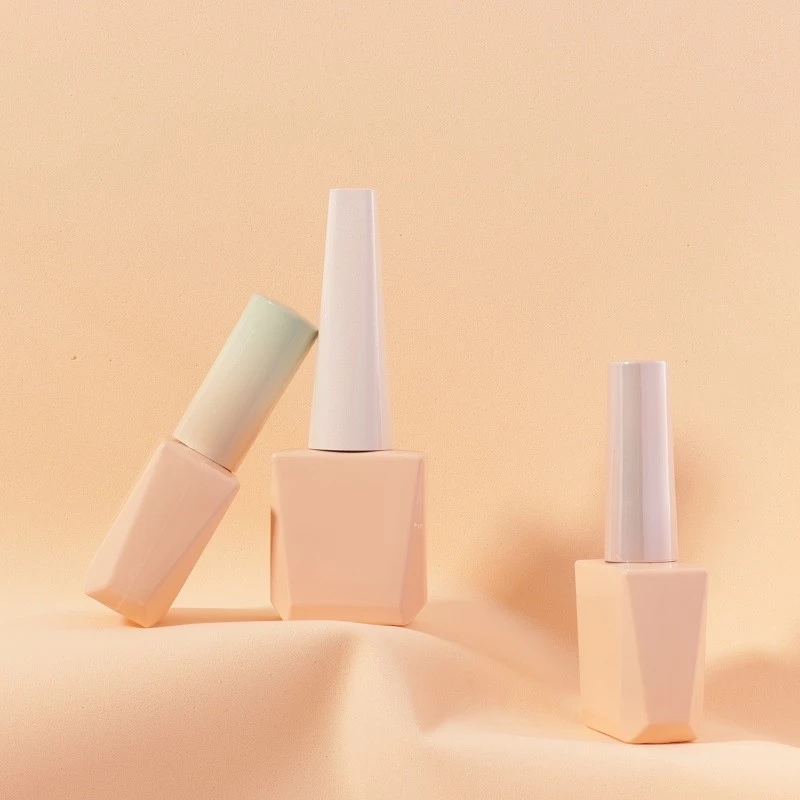
If you're interested in purchasing high - quality dispensing brush bottles, we have a wide range of options available, including the 13.5ml The Gel Bottle Nail Polish. We're always happy to help you find the right bottle for your needs. Contact us for more information and to start a purchase negotiation. We look forward to working with you!
References
- Chemical Engineering Principles: Evaporation and Distillation Concepts.
- Packaging Materials and Their Impact on Product Preservation.