

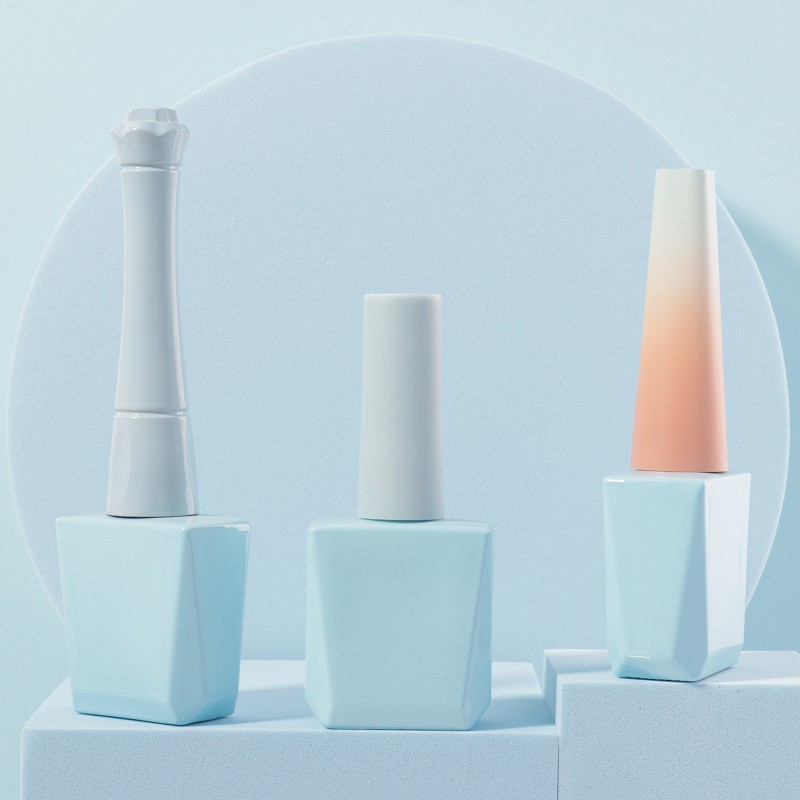
Air bubbles are a common nuisance when using nail polish gel bottles, detracting from the smooth and professional finish of a manicure. As a supplier of high - quality nail polish gel bottles, I understand the importance of ensuring a bubble - free application for both amateur nail enthusiasts and professional manicurists. In this blog post, I'll share some key strategies on how to prevent air bubbles when using our nail polish gel bottles, including 13.5ml The Gel Bottle Nail Polish, 14ml Colored Nail Polish Gel Bottle, and 11ml Nail Polish Glass Bottle with Brush.
Understanding the Causes of Air Bubbles
Before diving into the prevention methods, it's crucial to understand what causes air bubbles in the first place. One of the primary culprits is improper mixing. When you shake a nail polish gel bottle vigorously, it traps air inside the formula, which can then manifest as bubbles when you apply the polish. Additionally, if the nail surface is not clean and dry, oil, dirt, or moisture can prevent the polish from adhering smoothly, leading to bubble formation. The temperature and humidity of the environment also play a role; applying nail polish in a very hot, humid place can cause the polish to dry too quickly on the surface while the lower layers remain wet, resulting in trapped air.
Proper Handling of Nail Polish Gel Bottles
- Gentle Rolling Instead of Shaking
When it comes to mixing the nail polish gel in the bottle, avoid the common mistake of shaking. Instead, gently roll the bottle between your palms. This method allows the ingredients to blend without introducing large amounts of air. Rolling the 13.5ml The Gel Bottle Nail Polish for about 30 - 60 seconds should be sufficient to redistribute the pigments and other components evenly. Shaking can create air pockets that will be difficult to eliminate during application. - Avoid Over - Stirring
If your nail polish gel bottle has a brush with a long stem that can be used for stirring, use it sparingly. Over - stirring can also introduce air into the formula. A few gentle stirs are usually enough to ensure that any settled particles are mixed back into the gel. This is especially important for the 14ml Colored Nail Polish Gel Bottle, as pigments may settle over time.
Preparing the Nails
- Thorough Cleaning
Start by cleaning your nails with a nail polish remover that is free of acetone if possible, as acetone can dry out the nails. Use a clean cotton pad or ball to wipe away any oils, dirt, or old polish. Then, wash your hands with mild soap and water and dry them thoroughly. A clean nail surface provides a better base for the nail polish gel to adhere to, reducing the likelihood of bubble formation. - Buffing and Dehydration
Lightly buff the surface of your nails to create a slightly rough texture. This helps the nail polish gel grip better. After buffing, use a nail dehydrator or a small amount of rubbing alcohol on a cotton pad to remove any remaining oils. Make sure your nails are completely dry before applying the polish.
Application Techniques
- Thin Layers
Applying thin layers of nail polish gel is key to preventing air bubbles. Thick layers are more likely to trap air and take longer to dry, increasing the risk of bubbles forming. With our 11ml Nail Polish Glass Bottle with Brush, start with a very thin base coat. Allow it to dry completely under a UV or LED lamp according to the product's instructions. Then, apply one or two more thin coats of the colored polish, curing each layer in between. - Smooth Strokes
When applying the nail polish gel, use smooth, even strokes from the cuticle to the tip of the nail. Avoid going back and forth over the same area multiple times, as this can introduce air bubbles. Hold the brush at a slight angle and apply gentle pressure to ensure a smooth application. - Avoid Overloading the Brush
Don't dip the brush too deeply into the nail polish gel bottle. An overloaded brush can deposit too much polish on the nail at once, leading to uneven application and bubble formation. Instead, gently wipe the excess polish on the rim of the bottle before applying it to your nails.
Environmental Considerations
- Temperature and Humidity
Try to apply nail polish gel in a cool, dry environment. High temperatures can cause the polish to dry too quickly on the surface, while high humidity can make it difficult for the polish to dry evenly. An ideal temperature range is between 68 - 72°F (20 - 22°C) with a relative humidity of around 40 - 60%. - Ventilation
Good ventilation is important to prevent the buildup of fumes from the nail polish gel. However, avoid applying the polish in a drafty area, as this can also cause air bubbles to form on the wet polish.
Storage of Nail Polish Gel Bottles
- Proper Sealing
After each use, make sure to tightly seal the cap of the nail polish gel bottle. A loose cap can allow air to enter the bottle, which can lead to the formation of air bubbles in the polish. This is especially important for maintaining the quality of our 13.5ml The Gel Bottle Nail Polish and 14ml Colored Nail Polish Gel Bottle. - Storage Location
Store the nail polish gel bottles in a cool, dark place. Exposure to direct sunlight and heat can cause the polish to thicken and change its consistency, making it more prone to air bubble formation. A cabinet or drawer away from windows is a good storage option.
Troubleshooting
Even if you follow all the above steps, you may still encounter the occasional air bubble. If this happens, use a toothpick or a cuticle pusher to gently pop the bubble and smooth out the area before the polish fully dries. If the bubble appears after the polish has dried, you can lightly sand the area and re - apply the polish, making sure to follow the prevention steps more carefully.
In conclusion, preventing air bubbles when using nail polish gel bottles requires a combination of proper handling, nail preparation, application techniques, and environmental control. By following these tips, you can achieve a flawless, bubble - free manicure every time. Our company is dedicated to providing not only high - quality nail polish gel bottles but also the knowledge to make the most of our products.
If you're interested in purchasing our nail polish gel bottles or have any questions about our products, please feel free to reach out for a purchasing negotiation. We are committed to meeting your needs and providing you with the best nail - related products in the market.

References
- Pinnell, S. R. (1975). The aging of skin. New England Journal of Medicine, 292(23), 1244 - 1249.
- Palmer, R. A., & Monteiro - Ribeiro, C. (2018). Nail disorders: Diagnosis and treatment. American Family Physician, 97(5), 311 - 318.