

As a supplier of nail glue bottles, I've witnessed firsthand the various issues that can plague these seemingly simple containers. In this blog post, I'll delve into the common problems associated with nail glue bottles and discuss some potential solutions. By understanding these challenges, you'll be better equipped to make informed decisions when choosing nail glue bottles for your business or personal use.
Leakage
One of the most prevalent issues with nail glue bottles is leakage. This can occur due to a variety of factors, including poor sealing, damage to the bottle or cap, or excessive pressure inside the bottle. Leakage not only wastes product but can also create a messy and potentially hazardous situation.
Poor Sealing: A common cause of leakage is a faulty seal between the bottle and the cap. This can happen if the cap is not tightened properly or if the sealing mechanism is defective. To prevent this, ensure that caps are tightened securely and that the bottles are manufactured with high-quality sealing components.
Damage to the Bottle or Cap: Physical damage to the bottle or cap can also lead to leakage. This can occur during shipping, handling, or storage. To minimize the risk of damage, use sturdy packaging materials and handle the bottles with care.
Excessive Pressure: Nail glue can generate pressure inside the bottle as it cures or due to changes in temperature. If the pressure becomes too high, it can cause the bottle to leak or even burst. To prevent this, ensure that the bottles are designed to withstand pressure and that they are stored in a cool, dry place.
Drying Out
Another common problem with nail glue bottles is drying out. This can happen if the glue is exposed to air for too long or if the bottle is not properly sealed. Dried-out glue is difficult to use and can result in poor adhesion.
Exposure to Air: When nail glue is exposed to air, it begins to dry and harden. To prevent this, keep the bottle tightly sealed when not in use and avoid leaving the cap off for extended periods.
Improper Storage: Storing nail glue bottles in a warm or humid environment can also accelerate the drying process. To prevent this, store the bottles in a cool, dry place away from direct sunlight.
Old or Expired Glue: Nail glue has a limited shelf life, and using old or expired glue can increase the risk of drying out. To ensure the best results, use fresh glue and check the expiration date before using.
Clogging
Clogging is another issue that can affect nail glue bottles. This can occur when the glue dries inside the applicator or when debris gets into the bottle. Clogged applicators make it difficult to dispense the glue evenly and can result in a messy application.
Dried Glue in the Applicator: If the glue dries inside the applicator, it can clog the tip and prevent the glue from flowing smoothly. To prevent this, clean the applicator after each use and store the bottle with the applicator facing down to keep the glue from drying in the tip.
Debris in the Bottle: Debris such as dust, hair, or lint can get into the bottle and clog the applicator. To prevent this, keep the bottle clean and avoid touching the applicator with dirty hands.
Inconsistent Dispensing
Inconsistent dispensing is a common problem with nail glue bottles. This can occur when the glue is too thick or too thin, or when the applicator is not designed properly. Inconsistent dispensing can result in uneven application and poor adhesion.

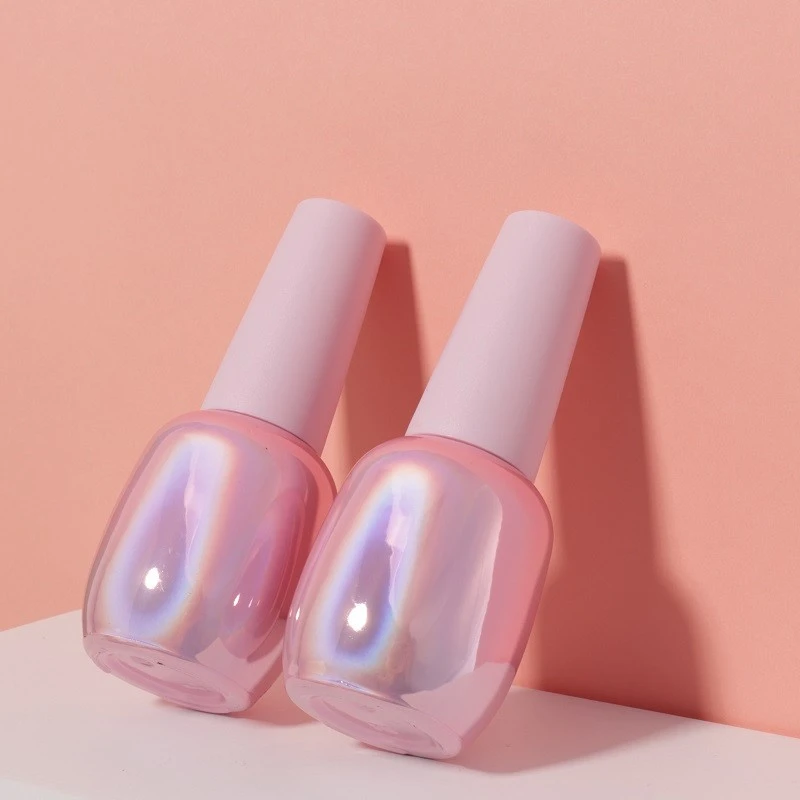
Thickness of the Glue: The thickness of the glue can affect its dispensing properties. If the glue is too thick, it may be difficult to dispense evenly, while if it is too thin, it may run out too quickly. To ensure consistent dispensing, choose a glue with the right viscosity for your needs.
Design of the Applicator: The design of the applicator can also affect the dispensing properties of the glue. Some applicators are designed to dispense a small amount of glue at a time, while others are designed to dispense a larger amount. Choose an applicator that is suitable for the type of application you are doing.
Solutions
Now that we've discussed the common problems with nail glue bottles, let's look at some potential solutions.
Choose High-Quality Bottles: Investing in high-quality nail glue bottles can help prevent many of the issues discussed above. Look for bottles that are made from durable materials, have a good seal, and are designed to withstand pressure.
Proper Storage and Handling: Proper storage and handling of nail glue bottles are essential to prevent leakage, drying out, and clogging. Store the bottles in a cool, dry place away from direct sunlight, and handle them with care to avoid damage.
Regular Cleaning and Maintenance: Regular cleaning and maintenance of the applicator can help prevent clogging and ensure consistent dispensing. Clean the applicator after each use and store the bottle with the applicator facing down to keep the glue from drying in the tip.
Use Fresh Glue: Using fresh glue can help prevent drying out and ensure the best results. Check the expiration date before using and replace the glue if it is old or expired.
Conclusion
In conclusion, nail glue bottles can face several common problems, including leakage, drying out, clogging, and inconsistent dispensing. By understanding these issues and taking the necessary precautions, you can minimize the risk of problems and ensure the best results. As a supplier of nail glue bottles, I'm committed to providing high-quality products that meet the needs of my customers. If you have any questions or concerns about nail glue bottles, please don't hesitate to [contact me for procurement discussions].
References
- "Nail Glue: How to Use It and Avoid Common Mistakes." Healthline, 2021.
- "The Ultimate Guide to Nail Glue." Byrdie, 2021.
- "How to Store Nail Polish and Glue for Longevity." Allure, 2021.