

As a supplier of brush cosmetic bottles, I've witnessed firsthand the widespread use and appeal of these products in the beauty industry. Brush cosmetic bottles are designed to dispense liquid cosmetics such as nail polish, eyeliner, and lip gloss with precision, thanks to their built - in brushes. While they offer several advantages, it's essential to be aware of their disadvantages as well. In this blog post, I'll explore some of the drawbacks associated with using brush cosmetic bottles.
1. Product Contamination
One of the most significant disadvantages of brush cosmetic bottles is the potential for product contamination. Every time the brush is dipped into the bottle and then applied to the skin or nails, it can introduce bacteria, dirt, and other impurities into the product. This is especially concerning for products like nail polish and liquid eyeliner, which are often used near sensitive areas of the body.
Bacteria can thrive in the moist environment of the cosmetic bottle, leading to product spoilage and potentially causing skin infections or allergic reactions. For example, if a user has an open cut on their finger and dips the brush into the nail polish bottle, bacteria from the cut can contaminate the entire product. Even if there are no visible signs of contamination, the presence of bacteria can still pose a risk to the user's health.

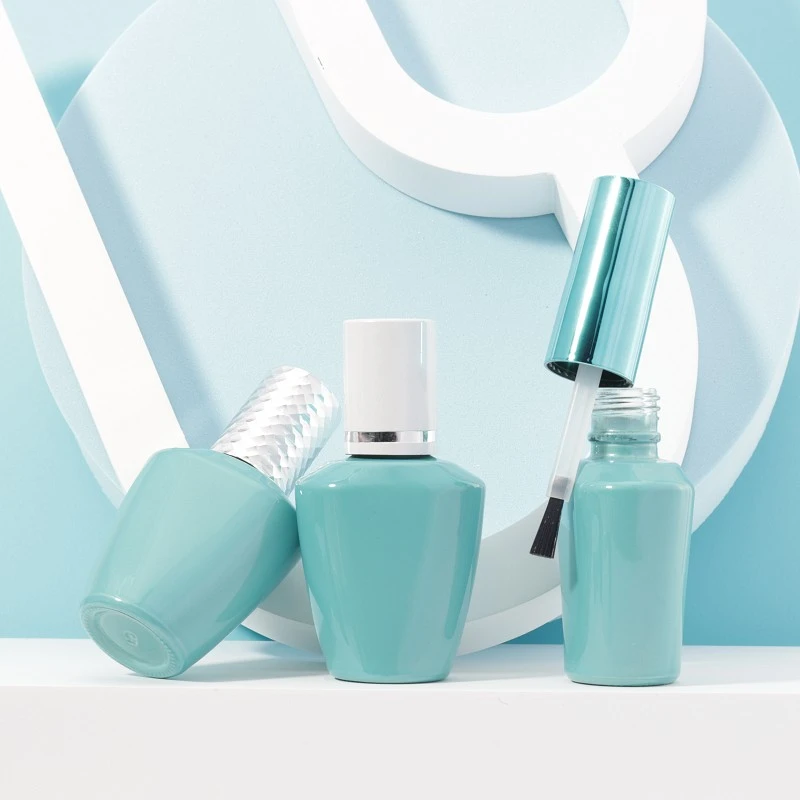
To mitigate this risk, users need to be extremely careful when using the brush. They should avoid touching the brush to dirty surfaces and clean the brush regularly. However, these precautions are not always foolproof, and the risk of contamination remains inherent in the design of brush cosmetic bottles.
2. Product Waste
Brush cosmetic bottles can also lead to significant product waste. When the brush is removed from the bottle, excess product often clings to it. This excess product can drip back into the bottle, causing mess and potentially contaminating the remaining product. In addition, some of the product on the brush may dry out before it can be used, especially if the user is not applying the product immediately.
For instance, in the case of nail polish, when the brush is taken out of the bottle, a large amount of polish may stick to the brush. If the user tries to wipe off the excess on the bottle's neck, some polish may still drip down the outside of the bottle. Over time, this can lead to a build - up of dried polish around the bottle's opening, making it difficult to open and close the bottle properly.
Moreover, as the product in the bottle gets used up, it becomes increasingly difficult to get the brush to pick up an adequate amount of product. The brush may not reach the bottom of the bottle, leaving a significant amount of product unused. This is particularly true for smaller bottles like the 13.5ml Mini Nail Polish Bottle. As the volume of the bottle is small, the problem of unreachable product becomes more pronounced.
3. Drying and Clumping
Another common issue with brush cosmetic bottles is the drying and clumping of the product. The brush is exposed to air every time it is removed from the bottle, which can cause the product on the brush to dry out. When the dried product is then dipped back into the bottle, it can mix with the remaining product and cause clumping.
This is a major problem for products like nail polish and liquid eyeliner. Clumped nail polish can result in an uneven application, with streaks and lumps on the nails. Liquid eyeliner that has clumped may not flow smoothly from the brush, making it difficult to create a precise line.
The drying process can also affect the consistency of the product inside the bottle. Over time, the product may thicken, making it harder to apply. This is especially true for products stored in warm or dry environments. For example, if a nail polish bottle is left in a sunny window, the heat can accelerate the drying process, causing the polish to become thick and unusable much faster.
4. Limited Shelf Life
The design of brush cosmetic bottles can also shorten the product's shelf life. As mentioned earlier, the risk of contamination and the exposure to air can cause the product to spoil more quickly. Bacteria and other microorganisms can break down the ingredients in the cosmetic, leading to changes in color, odor, and consistency.
In addition, the constant opening and closing of the bottle to access the brush allows more air to enter the bottle. Oxygen in the air can react with the product, causing oxidation. Oxidation can lead to the degradation of the product's active ingredients, reducing its effectiveness. For example, some nail polishes may lose their shine or color vibrancy over time due to oxidation.
Compared to other types of cosmetic packaging, such as pump - action bottles or tubes, brush cosmetic bottles generally have a shorter shelf life. This means that users may need to replace their products more frequently, which can be costly in the long run.
5. Inconsistent Application
Achieving a consistent application can be challenging with brush cosmetic bottles. The amount of product picked up by the brush can vary depending on how deeply the brush is dipped into the bottle, the angle at which it is removed, and the viscosity of the product. This can result in uneven application, especially for beginners.
For example, when applying nail polish, if the brush is dipped too deeply into the bottle, it may pick up too much polish, leading to a thick and uneven coat. On the other hand, if the brush is not dipped deeply enough, it may not pick up enough polish, resulting in a thin and patchy application.
The shape and size of the brush can also affect the consistency of the application. Different brushes may have different bristle densities and shapes, which can lead to variations in the amount of product applied. Even within the same brand, there can be slight differences in the brushes, making it difficult for users to achieve a consistent look every time.
6. Storage and Transportation
Brush cosmetic bottles can be more challenging to store and transport compared to other types of cosmetic packaging. The exposed brush makes the bottle more prone to damage during transportation. If the bottle is jostled or knocked over, the brush can break or become bent, rendering the product difficult to use.
In terms of storage, the brush can collect dust and dirt if the bottle is not stored properly. This can not only contaminate the product but also make the brush less effective. For example, if the bottle is left open on a dusty surface, dust particles can settle on the brush and then be transferred to the product when the brush is dipped back into the bottle.
Moreover, brush cosmetic bottles often require a specific orientation for storage. For example, nail polish bottles are usually best stored upright to prevent the polish from seeping into the brush and causing it to dry out. This can be inconvenient, especially for users with limited storage space.
Conclusion
While brush cosmetic bottles are a popular choice in the beauty industry due to their precision application, they come with several significant disadvantages. Product contamination, waste, drying and clumping, limited shelf life, inconsistent application, and challenges in storage and transportation are all issues that users and suppliers need to be aware of.
As a supplier of brush cosmetic bottles, I understand the importance of addressing these concerns. We are constantly looking for ways to improve the design of our products to minimize these disadvantages. For example, we are exploring new materials and manufacturing techniques to reduce the risk of contamination and product waste.
If you are interested in learning more about our brush cosmetic bottles, such as our 12ml Nail Polish Gel Bottle with Lid and 8.5 Ml Nail Polish Glass Sorting Bottles, or if you have any questions regarding the use or purchase of our products, please feel free to reach out. We are always ready to discuss your needs and find the best solutions for your cosmetic packaging requirements.
References
- Cosmetics Safety and Regulation, International Journal of Cosmetic Science
- The Impact of Packaging Design on Cosmetic Product Quality, Journal of Packaging Science and Technology
- Bacterial Contamination in Cosmetic Products, Journal of Applied Microbiology