

As a seasoned supplier of manicure bottle caps, I've witnessed firsthand the dynamic nature of the nail care industry. The cost - effectiveness of different types of manicure bottle caps is a topic that holds significant importance for both manufacturers and consumers alike. In this blog, I'll delve into the various aspects that contribute to the cost - effectiveness of these bottle caps, taking into account factors such as material, design, and functionality.
Material Matters
The choice of material for manicure bottle caps has a direct impact on their cost - effectiveness. Common materials include plastic, metal, and a combination of both.
Plastic bottle caps are often the most cost - efficient option. They are lightweight, which reduces shipping costs. The manufacturing process for plastic caps is relatively simple and can be mass - produced at a low cost. For example, polypropylene (PP) and polyethylene (PE) are widely used plastics in the production of manicure bottle caps. These plastics are durable enough to protect the nail polish or gel inside the bottle, and they can be easily molded into different shapes and sizes. However, the downside of plastic caps is that they may not have the same luxurious feel as metal caps.
On the other hand, metal bottle caps, such as those made of aluminum or tinplate, offer a more premium look and feel. They are more resistant to damage and can enhance the overall aesthetic of the manicure product. Metal caps also provide better protection against air and moisture, which can help preserve the quality of the nail polish or gel for a longer time. But the cost of raw materials and the manufacturing process for metal caps are higher compared to plastic caps. This means that products with metal caps are usually priced at a premium, which may not be as cost - effective for budget - conscious consumers or manufacturers aiming for a high - volume, low - cost production.
Some bottle caps are made by combining plastic and metal elements. For instance, a plastic cap may have a metal - plated finish or a metal ring for added style. This combination can offer a balance between cost and aesthetics. It allows manufacturers to create an attractive product without incurring the full cost of a completely metal cap.
Design Considerations
The design of manicure bottle caps can greatly affect their cost - effectiveness. A well - designed cap should not only look good but also perform its function efficiently.
One important design aspect is the closure mechanism. There are different types of closures, such as screw - on caps, snap - on caps, and flip - top caps. Screw - on caps provide a tight seal, which is crucial for preventing the nail polish or gel from drying out or leaking. They are also relatively easy to use and can be opened and closed multiple times without losing their effectiveness. However, the manufacturing process for screw - on caps is more complex compared to snap - on caps, which may increase the cost.
Snap - on caps are quick and easy to attach to the bottle. They are often used for products with a more casual or disposable nature. Snap - on caps are generally cheaper to produce, but they may not provide as tight a seal as screw - on caps. Flip - top caps offer convenience, especially for products that are used frequently. They can be opened with one hand, which is a plus for consumers. However, the design of flip - top caps may require more complex molding and assembly processes, which can drive up the cost.
In addition to the closure mechanism, the shape and size of the cap also matter. Caps that are too large or too heavy may increase the overall weight of the product, leading to higher shipping costs. On the other hand, caps that are too small may be difficult to handle or may not provide a proper seal. A well - proportioned cap that fits the bottle snugly and is easy to use can improve the cost - effectiveness of the product.
Functionality and Cost - Effectiveness
The functionality of manicure bottle caps goes beyond just closing the bottle. Some caps are designed with additional features that can enhance the user experience and justify a higher cost.
For example, some caps come with built - in brushes. This eliminates the need for a separate brush, which can save costs for both the manufacturer and the consumer. The brush - attached caps also ensure that the brush is always clean and ready to use. However, the integration of a brush into the cap requires more complex manufacturing processes, which can increase the cost.
Another functional feature is the ability to prevent drying. Some caps are designed with a special liner or seal that can keep the nail polish or gel fresh for a longer time. This is particularly important for products like light - therapy nail polish gels, which can be sensitive to air and light. Caps with such features may be more expensive, but they can reduce product waste and save money in the long run.
Cost - Effectiveness in Different Market Segments
The concept of cost - effectiveness can vary depending on the market segment. For high - end nail care products, consumers are often willing to pay more for a premium - looking and high - performing bottle cap. In this segment, metal caps with elaborate designs and high - quality closure mechanisms are more likely to be used. The cost of the cap is seen as an investment in the overall brand image and product quality.
For mass - market products, cost - effectiveness is usually measured in terms of the lowest possible cost per unit while still maintaining an acceptable level of quality. Plastic caps with simple designs and snap - on closures are commonly used in this segment. Manufacturers focus on reducing production costs through economies of scale and efficient manufacturing processes.
Product Examples and Cost - Effectiveness
Let's take a look at some specific manicure products and how the cost - effectiveness of their bottle caps plays out.
The Nail Polish Glass Brush Bottle 16ml is a popular product in the market. The choice of bottle cap for this product can significantly impact its cost - effectiveness. A plastic screw - on cap with a built - in brush can be a cost - effective option for this product. The plastic material keeps the cost down, and the screw - on closure ensures a tight seal. The built - in brush adds functionality without adding too much to the cost.
The 12ml Light Therapy Nail Polish Gel Vial requires a cap that can protect the gel from air and light. A metal screw - on cap with a special liner can be a good choice. Although the metal cap is more expensive, it provides better protection for the gel, which can reduce product waste and improve the overall cost - effectiveness of the product.
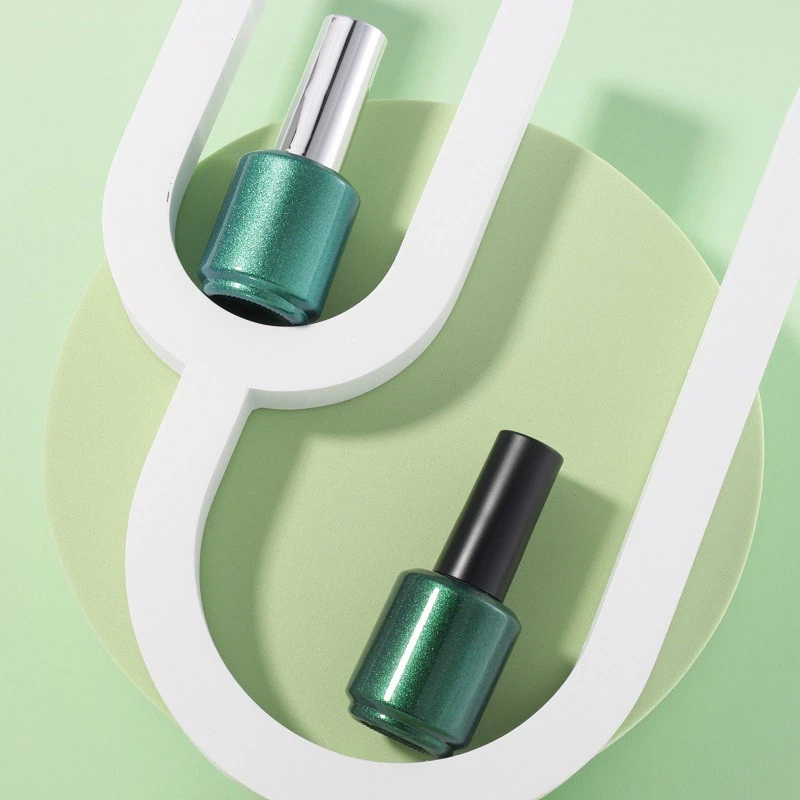

The 13.5ml The Gel Bottle Nail Polish may benefit from a snap - on plastic cap. This type of cap is easy to use and relatively inexpensive to produce. For a product with this size and nature, a snap - on cap can provide a cost - effective solution without sacrificing too much in terms of functionality.
Conclusion and Call to Action
In conclusion, the cost - effectiveness of different types of manicure bottle caps depends on a variety of factors, including material, design, and functionality. As a supplier, I understand the importance of finding the right balance between cost and quality for my customers. Whether you are a manufacturer looking to optimize your production costs or a consumer seeking the best value for your money, choosing the right bottle cap is crucial.
If you are interested in learning more about our range of manicure bottle caps or would like to discuss a potential partnership, I encourage you to reach out. We can provide you with detailed information on our products, pricing, and customization options. Let's work together to find the most cost - effective solution for your manicure product needs.
References
- "Packaging Design for Cosmetics and Toiletries" by Packaging Design Institute
- "Materials Science for Packaging" by John A. Robertson