

Brush caps, seemingly simple components, carry profound cultural significance in various regions around the world. As a brush cap supplier, I've had the privilege of witnessing firsthand how these small yet essential items are intertwined with local traditions, aesthetics, and practical needs. In this blog, I'll explore the cultural significance of brush caps in some regions and how they reflect the unique identities of different communities.
East Asia: Symbolism and Preservation
In East Asian cultures, particularly in China, Japan, and Korea, the art of calligraphy and painting holds a revered place. Brush caps play a crucial role in preserving the integrity of the brushes used in these traditional arts. The delicate bristles of calligraphy and painting brushes need to be protected from drying out or becoming damaged when not in use. Brush caps are designed not only to serve this practical purpose but also to carry symbolic meaning.
In China, calligraphy is considered a form of self-expression and a reflection of one's character. The brush cap, often made of high-quality materials such as bamboo, jade, or porcelain, is seen as an extension of the artist's personality. The design of the brush cap may feature intricate carvings or inscriptions that convey philosophical or moral messages. For example, a brush cap carved with the image of a pine tree symbolizes longevity and resilience, while an inscription of a famous poem may inspire the artist during the creative process.
In Japan, the art of calligraphy, known as shodo, is deeply rooted in Zen Buddhism. Brush caps in Japan are often minimalist in design, reflecting the Japanese aesthetic of simplicity and purity. The use of natural materials such as wood or lacquer further emphasizes the connection between the artist and nature. The act of carefully placing the brush cap on the brush after use is seen as a meditative practice, a way to show respect for the art and the tools used.
In Korea, the traditional art of calligraphy, known as seoye, also places great importance on the preservation of brushes. Brush caps in Korea may feature traditional Korean patterns such as the cloud pattern or the peony flower, which are symbols of good fortune and beauty. The craftsmanship of Korean brush caps is highly regarded, with many artisans dedicating their lives to perfecting the art of making these small yet significant items.
Europe: Aesthetics and Functionality
In Europe, brush caps have a long history of use in various industries, including painting, cosmetics, and nail care. In the world of art, brush caps are not only functional but also serve as an important part of the overall aesthetic of the painting supplies. Artists often choose brushes with caps that match the style and quality of the brushes themselves. For example, a high-end paintbrush may come with a cap made of brass or silver, adding a touch of elegance to the artist's toolkit.
In the cosmetics industry, brush caps are used to protect the bristles of makeup brushes from contamination and damage. The design of cosmetic brush caps is often sleek and modern, reflecting the latest trends in beauty. Many cosmetic brands offer a range of brush caps in different colors and materials to match their product lines. For example, a luxury makeup brand may use brush caps made of black leather or velvet to enhance the perceived value of their products.

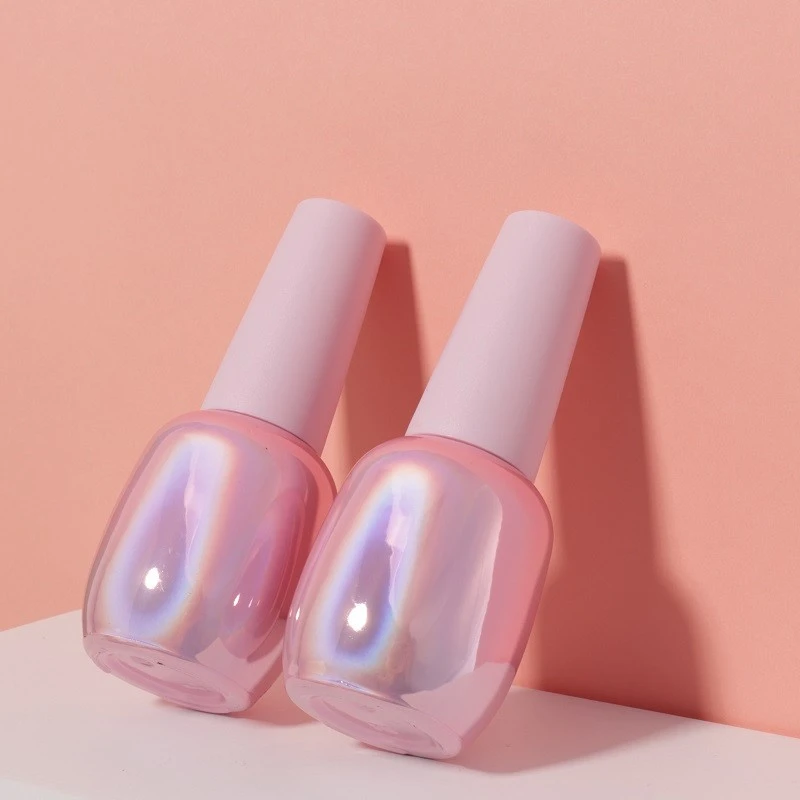
In the nail care industry, brush caps are an essential part of nail polish bottles. The cap not only keeps the polish from drying out but also provides a convenient way to apply the polish evenly. As a brush cap supplier, I've seen the growing demand for high-quality brush caps in the nail care market. Customers are looking for caps that are easy to open and close, and that fit securely on the bottles. For example, our Nail Polish Glass Brush Bottle 16ml comes with a specially designed cap that ensures a tight seal, preventing the polish from leaking or drying out. We also offer 10ml Empty Nail Polish Bottles and 14ml Colored Nail Polish Gel Bottle with caps that are both functional and stylish.
Africa: Cultural Identity and Heritage
In many African cultures, brushes are used for a variety of purposes, including body painting, hair styling, and ceremonial rituals. Brush caps in Africa often carry cultural significance and are used to preserve traditional practices and beliefs. For example, in some African tribes, brushes are used to apply body paint during important ceremonies such as weddings or initiations. The brush cap may be decorated with symbols or patterns that represent the tribe's history, values, or spiritual beliefs.
In addition to their cultural significance, brush caps in Africa also serve a practical purpose. They protect the brushes from damage and ensure that they remain in good condition for future use. The use of natural materials such as wood, bone, or animal hide in the making of brush caps further emphasizes the connection between the people and the environment.
Conclusion
In conclusion, brush caps are more than just simple accessories. They are a reflection of the cultural diversity and creativity of different regions around the world. Whether it's the symbolic meaning in East Asian calligraphy, the aesthetics and functionality in European art and cosmetics, or the cultural identity in African traditions, brush caps play an important role in preserving and expressing cultural heritage.
As a brush cap supplier, I'm proud to be part of an industry that values quality, craftsmanship, and cultural significance. We offer a wide range of brush caps to meet the needs of different industries and customers. If you're interested in learning more about our products or have any questions, please feel free to contact us. We look forward to the opportunity to discuss your requirements and explore potential partnerships.
References
- "The Art of Calligraphy in East Asia" by John Makepeace
- "European Art and Culture: A Historical Overview" by Mary Beard
- "African Art and Heritage" by Elkins, James