

Brush caps are essential components in various industries, from cosmetics to art supplies, serving to protect the bristles of brushes and maintain product integrity. As a reliable brush cap supplier, I am often asked about the materials used in their production. In this blog, I will delve into the common materials for brush caps, their characteristics, and suitability for different applications.
Plastic
Plastic is one of the most widely used materials for brush caps due to its versatility, cost - effectiveness, and ease of manufacturing.
Polypropylene (PP)
Polypropylene is a popular choice for brush caps. It is a thermoplastic polymer known for its high chemical resistance, which makes it suitable for use with a wide range of products, including nail polish, paints, and adhesives. PP brush caps can withstand exposure to solvents and chemicals without cracking or degrading.
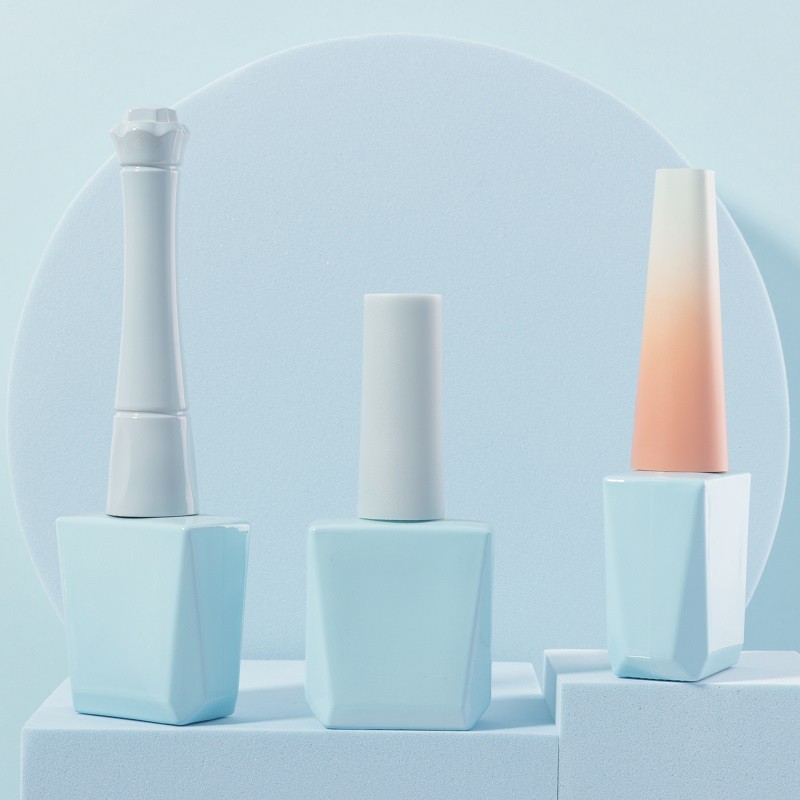
For example, in the nail polish industry, 8.5 Ml Nail Polish Glass Sorting Bottles often come with PP brush caps. These caps protect the nail polish brush from drying out and keep the polish inside the bottle fresh. PP is also lightweight, which reduces shipping costs, and it has good impact resistance, ensuring that the caps can withstand normal handling and transportation without breaking.
Polyethylene (PE)
Polyethylene is another common plastic used for brush caps. There are different types of polyethylene, such as high - density polyethylene (HDPE) and low - density polyethylene (LDPE). HDPE is more rigid and has better strength, making it suitable for caps that need to provide a tight seal. LDPE, on the other hand, is more flexible and has good impact resistance.
In the case of 13.5ml The Gel Bottle Nail Polish, the brush caps may be made of HDPE to ensure a secure fit and prevent leakage of the gel polish. PE is also non - toxic, which is an important consideration when the product is used in cosmetics or other consumer - facing applications.
Polystyrene (PS)
Polystyrene is a clear, rigid plastic that is often used for brush caps when a transparent or translucent appearance is desired. It has good dimensional stability, which means that the caps will maintain their shape over time. PS is also relatively inexpensive to produce.
However, PS is more brittle than PP and PE, so it may not be as suitable for applications where the caps are likely to be subjected to rough handling. It is commonly used in art supply brushes, where the caps are mainly for aesthetic purposes and to provide a basic level of protection.
Metal
Metal brush caps are less common than plastic ones but offer some unique advantages.
Aluminum
Aluminum is a lightweight and corrosion - resistant metal. It is often used in high - end cosmetic products, such as luxury nail polish brands. 12ml Nail Polish Gel Bottle with Lid may sometimes feature aluminum brush caps to give the product a more premium look and feel.
Aluminum can be easily anodized, which not only enhances its corrosion resistance but also allows for a variety of color finishes. The anodized surface can be made to match the brand's color scheme, providing a more cohesive and attractive product packaging. Additionally, aluminum has good heat conductivity, which can be beneficial in some applications where temperature control is important.
Stainless Steel
Stainless steel is a strong and durable metal that is highly resistant to corrosion. It is often used in industrial or professional - grade brush caps, such as those for paintbrushes used in heavy - duty painting applications. Stainless steel caps can withstand harsh chemicals and solvents, and they have a long lifespan.
However, stainless steel is heavier and more expensive than plastic and aluminum, so it is not as commonly used in consumer - oriented products. The high cost and weight may also make it less practical for mass - market items.
Rubber and Silicone
Rubber and silicone materials are used for brush caps when a soft, flexible, and air - tight seal is required.
Natural Rubber
Natural rubber is a flexible and elastic material that can provide a good seal around the brush. It is often used in applications where the cap needs to be easily removed and replaced, such as in some art brushes. Natural rubber has good grip properties, which makes it easy for users to hold and twist the cap.
However, natural rubber can be prone to degradation over time, especially when exposed to sunlight and certain chemicals. It may also develop a strong odor, which can be a drawback in some applications.
Silicone
Silicone is a synthetic rubber that has many advantages over natural rubber. It is heat - resistant, chemical - resistant, and has excellent flexibility. Silicone brush caps are often used in high - temperature applications, such as in some industrial painting processes or in hair styling products that may be exposed to heat from styling tools.
Silicone is also non - toxic and food - grade, which makes it suitable for use in products that come into contact with the skin or food. It has a long lifespan and does not develop an unpleasant odor.
Choosing the Right Material
When choosing the material for brush caps, several factors need to be considered.

Product Compatibility
The material of the brush cap must be compatible with the product it will be used with. For example, if the product contains strong solvents, a plastic like PP or a metal like stainless steel may be more suitable. If the product is a cosmetic that needs to maintain a fresh scent, a material that does not absorb or transfer odors, such as silicone, may be preferred.
Cost
Cost is an important factor, especially for mass - market products. Plastic materials are generally more cost - effective than metal and silicone, making them a popular choice for budget - conscious manufacturers. However, for high - end products, the additional cost of using metal or silicone may be justified by the enhanced quality and appearance.
Aesthetics
The appearance of the brush cap can have a significant impact on the product's overall appeal. Transparent plastic caps can show off the brush and the product inside, while metal caps can give a luxurious look. The color and finish of the cap should also match the brand's image and packaging design.
Functionality
The functionality of the brush cap is crucial. It should provide a tight seal to prevent leakage and drying of the product, and it should be easy to remove and replace. The material's flexibility, grip, and durability all play a role in determining the cap's functionality.
As a brush cap supplier, I understand the importance of providing high - quality caps that meet the specific needs of each customer. Whether you are in the cosmetics, art supplies, or industrial sector, I can offer a wide range of brush caps made from different materials to suit your requirements. If you are interested in purchasing brush caps for your products, I invite you to contact me for a detailed discussion about your needs, and we can work together to find the best solution for your business.
References
- "Plastics in Packaging: A Comprehensive Guide", Packaging World Publications
- "Metal Materials for Packaging Applications", Journal of Packaging Science and Technology
- "Rubber and Silicone in Product Design", Design Engineering Magazine